


Which Class of Fire Extinguisher Is Used for Grease Fires?
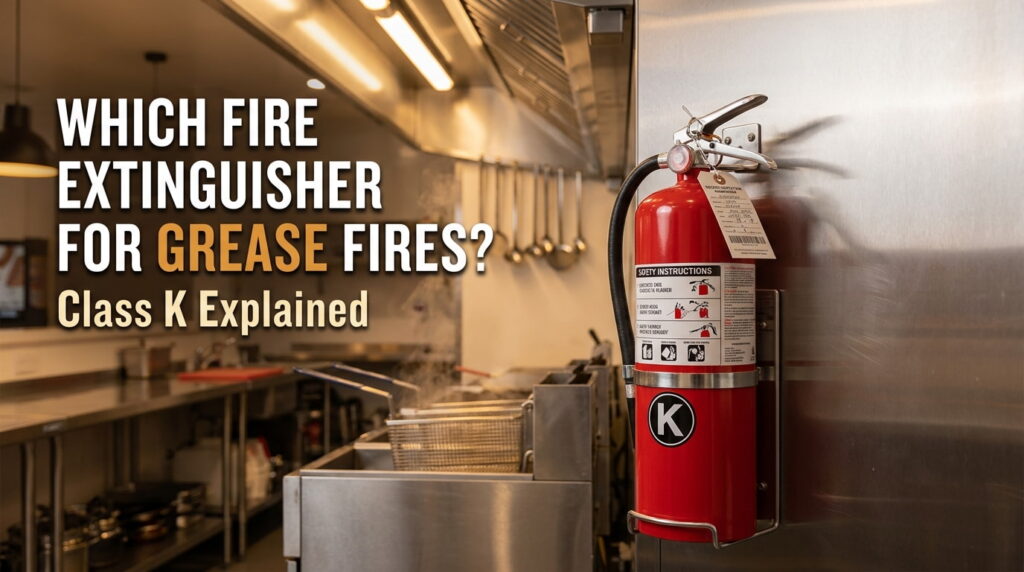
For grease fires, the correct fire extinguisher is Class K for commercial kitchens and a Class B or ABC for small grease fires at home. Class K is the only extinguisher specifically designed for the high-temperature cooking oils and fats used in deep fryers, grills, and commercial cookers, and it’s required by fire code for […]
Fire Extinguisher for Electrical Fires
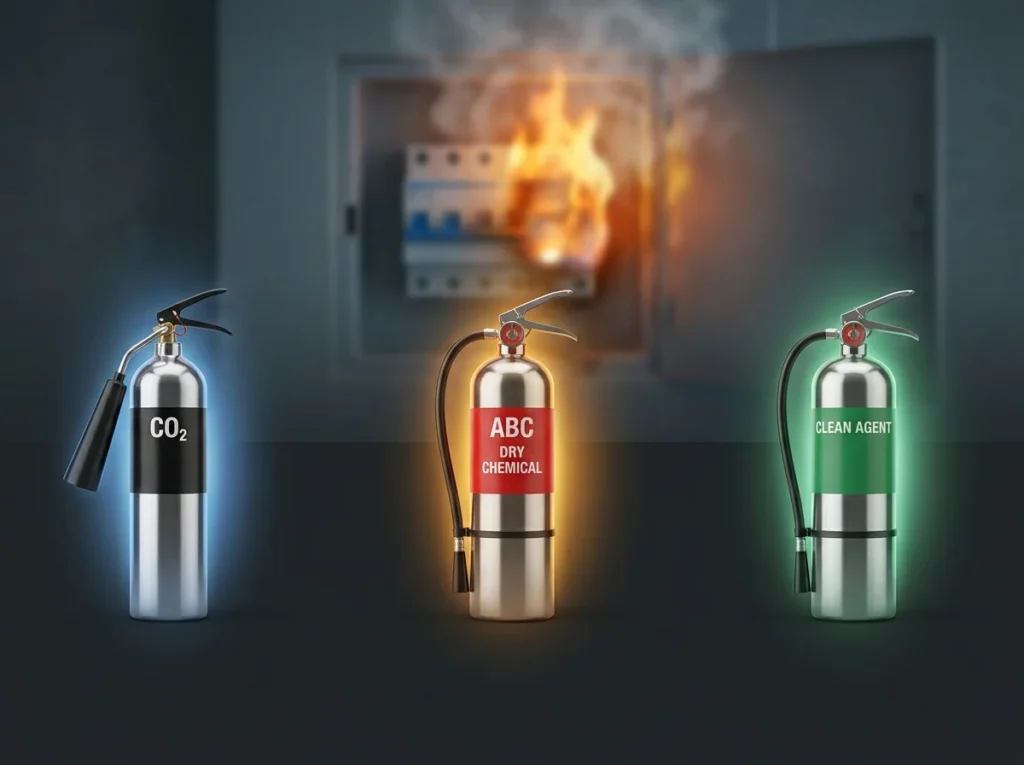
For electrical fires, use a CO2 (carbon dioxide) extinguisher or a Class C dry chemical (ABC/BC) extinguisher. Both are electrically non-conductive and safe to use on live equipment. Never use water or foam, they conduct electricity and can cause a deadly shock. Electrical fires are one of the most dangerous types of fires not just […]
Can a Fire Extinguisher Be Refilled?
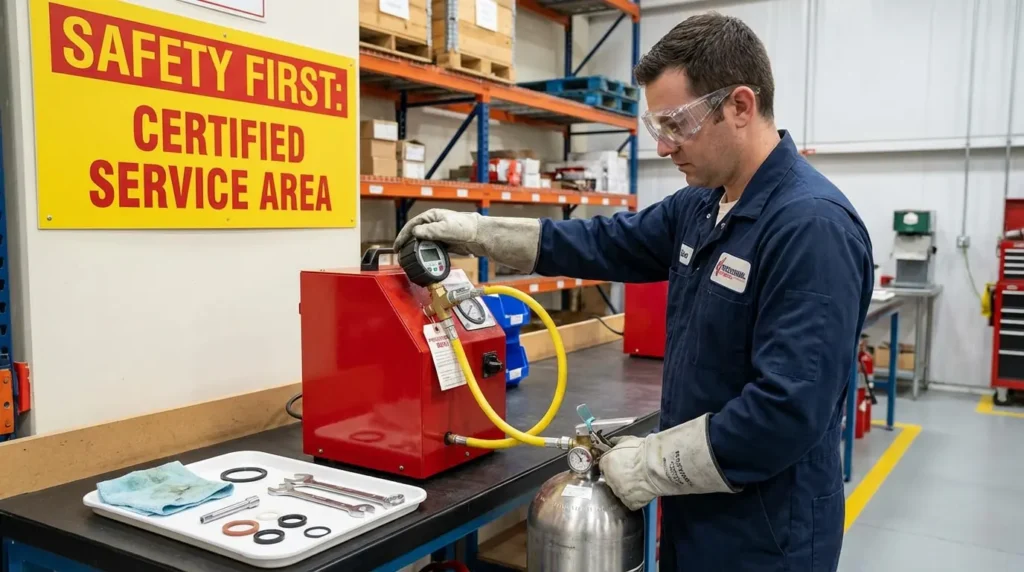
Yes, most rechargeable fire extinguishers can be refilled (technically recharged) after use. In practice, this means metal-cased cylinders with a pressure gauge (common ABC dry-chemical, CO₂, water/foam, and kitchen wet-chemical extinguishers) are designed for multiple uses and professional servicing. In contrast, small disposable units (often with plastic valve heads and a simple “full/empty” gauge) cannot […]
What Does PASS Stand For on a Fire Extinguisher?
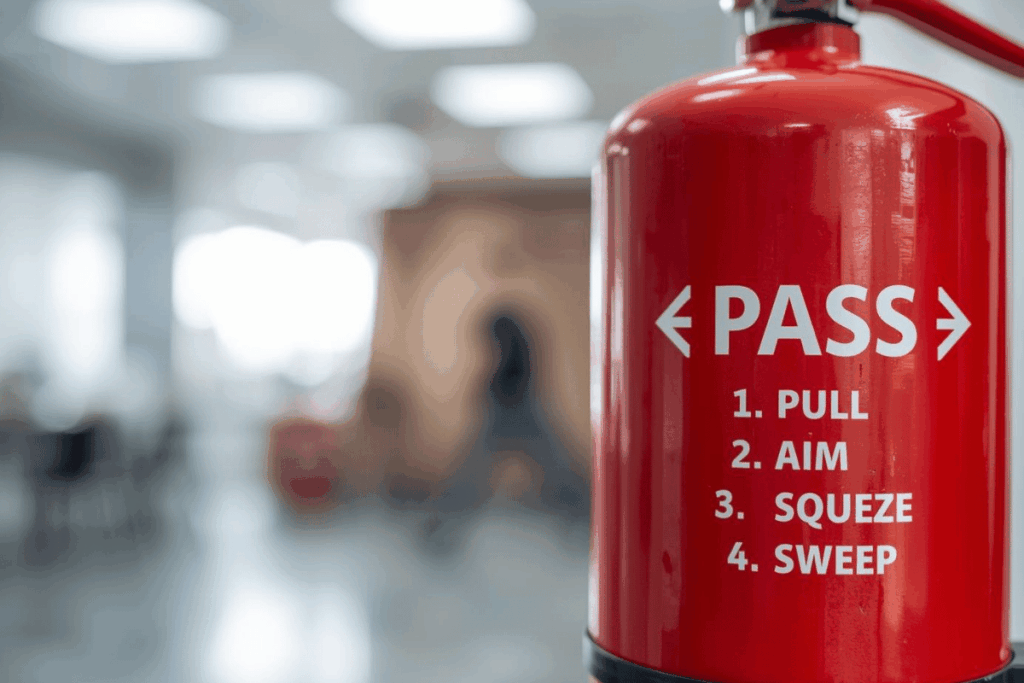
You’ve probably heard the acronym PASS in fire safety training. PASS simply stands for Pull, Aim, Squeeze, Sweep – the four basic steps for using a portable fire extinguisher. This easy-to-remember guide helps you act quickly and correctly in an emergency. In fact, fire safety agencies like the U.S. Fire Administration explicitly teach PASS as […]
Is Fire Extinguisher Powder Toxic?
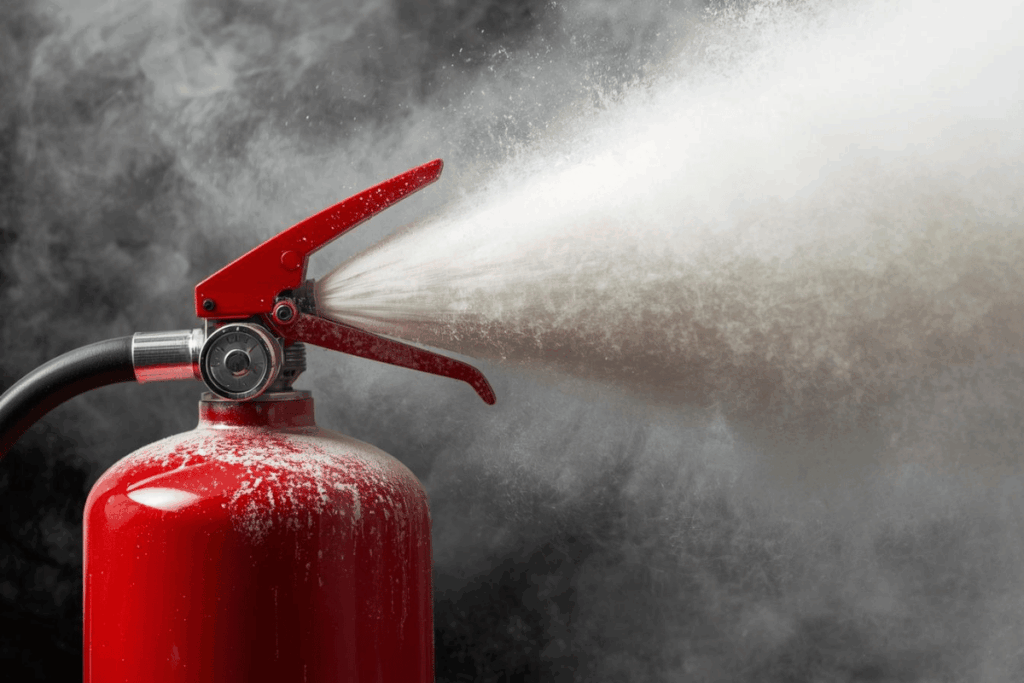
Fire extinguisher powder itself isn’t a deadly poison – it’s made of common, non-toxic chemicals like monoammonium phosphate and baking soda (sodium bicarbonate). In other words, the powder in an ABC dry-chemical extinguisher is not poisonous in the way bleach or cyanide are. However, it’s not entirely harmless either. The fine dust can irritate your […]
Does a Fire Extinguisher Expire? Everything You Need to Know
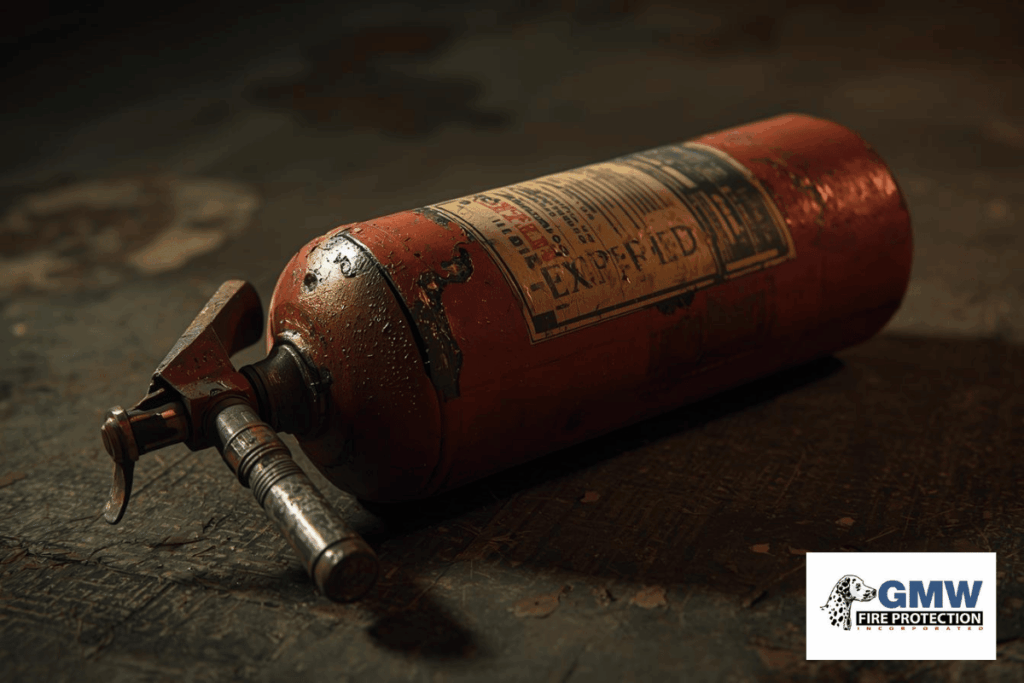
Yes – fire extinguishers do expire in the sense that they can become unreliable over time. They don’t have a “sell-by” date like food, but experts say most portable extinguishers have a useful life of roughly 10–12 years. After that period (or even sooner if abused), the extinguisher may lose pressure or develop clumps in […]
What Do Fire Extinguisher Symbols Mean? Safety Guide
Fire extinguisher labels use letters, shapes, and pictograms to tell you which fires they can safely fight. Each letter – A, B, C, D, or K – corresponds to a fire class (type of fuel). The colored shape around the letter helps you spot it quickly (for example, a green triangle for Class A, a […]
Choosing the Right Fire Extinguisher for Wood, Paper, and Fabric Fires
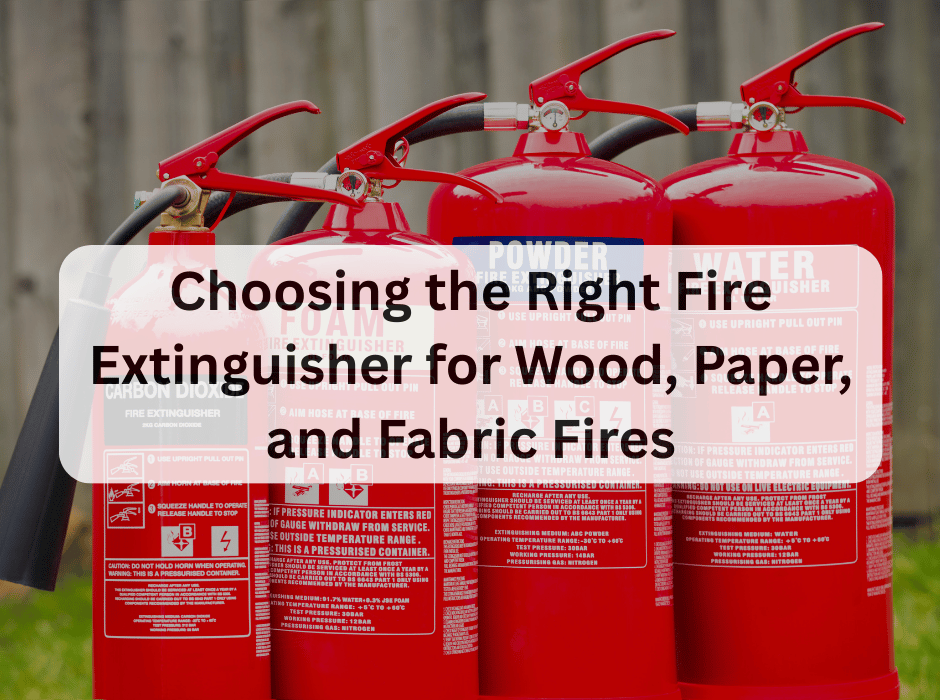
If you have a fire involving ordinary combustible materials like wood, paper or fabric, you need a Class A fire extinguisher. In the U.S. system, Class A is for “ordinary combustibles” (wood, paper, cloth, etc.). These extinguishers work by cooling and soaking the burning material. For example, pressurized water extinguishers (plain water) or ABC dry-chemical […]
The Importance of Regular Fire Extinguisher Inspections: Your First Line of Defense

Don’t let a faulty fire extinguisher put you at risk. Discover the importance of regular inspections for fire safety and peace of mind.