
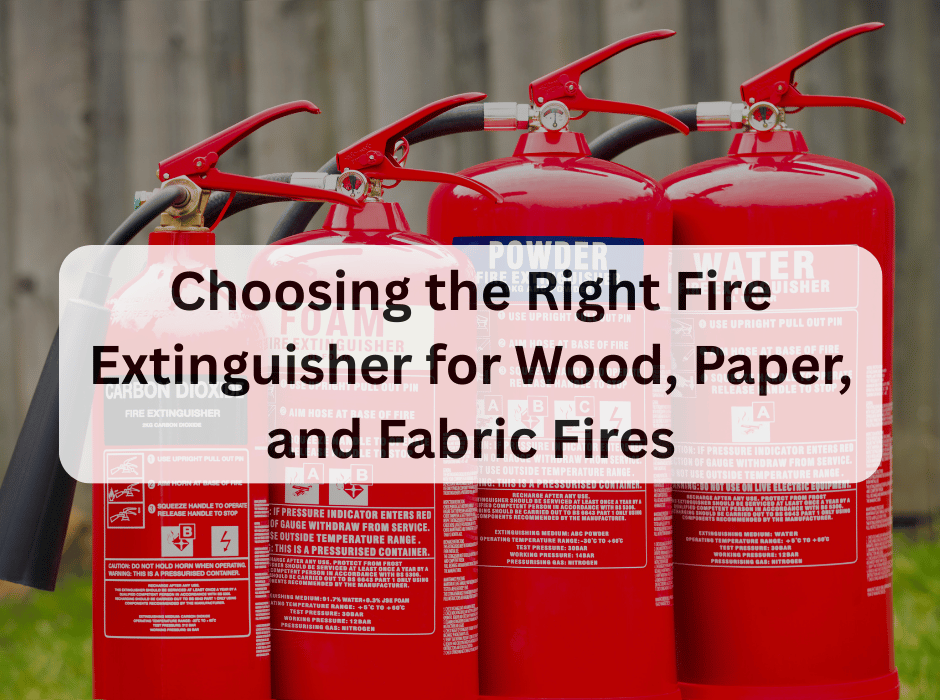
If you have a fire involving ordinary combustible materials like wood, paper or fabric, you need a Class A fire extinguisher. In the U.S. system, Class A is for “ordinary combustibles” (wood, paper, cloth, etc.). These extinguishers work by cooling and soaking the burning material. For example, pressurized water extinguishers (plain water) or ABC dry-chemical extinguishers are commonly used for Class A fires. (ABC extinguishers are multi-purpose units rated for A, B, and C fires.) Always check that the extinguisher’s label shows an “A” rating or a green triangle symbol – that means it’s approved for ordinary combustibles.
Best Extinguishers for Class A Fires
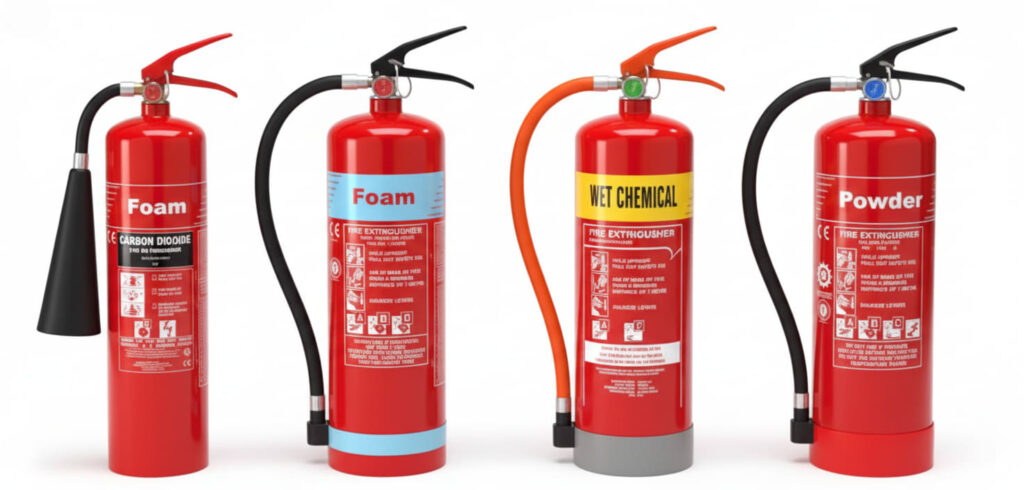
For wood/paper/fabric fires, the most effective extinguishers are those specifically made for Class A. The common types include:
- Water extinguishers (Class A) – These use plain water under pressure. They cool and douse the burning material, soaking it to stop the fire. Water extinguishers are very effective on Class A fires. (Never use a water extinguisher on an electrical or grease fire!)
- Foam extinguishers – These spray a watery foam that blankets the fire. Class A fires can be put out with foam, and some foam extinguishers also work on flammable liquids (Class B). Foam cools and smothers the flames on wood, paper or fabric fires.
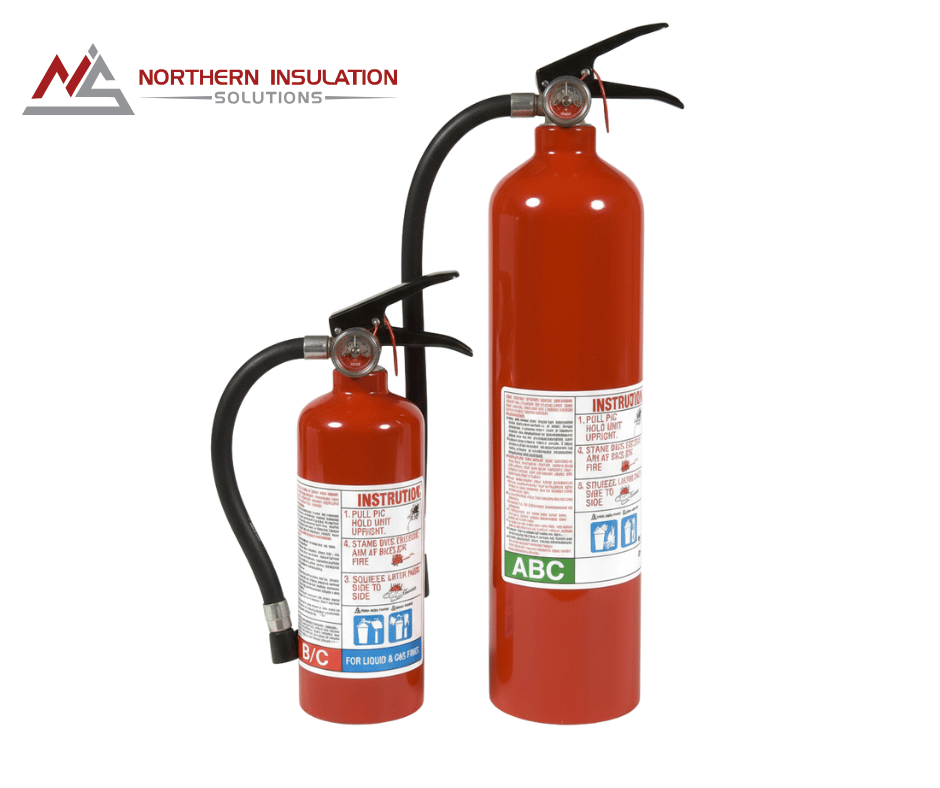
- ABC (Dry Chemical) extinguishers – These are multi-purpose units using monoammonium phosphate or similar chemicals. They are labeled “ABC” to indicate they cover Class A, B and C fires. The dry powder works by smothering the fire and interrupting its chemical reaction. ABC extinguishers are very common (often found in homes) and are a great choice for wood, paper, and fabric fires.
Each extinguisher should have a label like “2A 10-B:C” – the number before the A shows its power (more water-equivalent gallons). For example, a 2A extinguisher is as effective as 2.5 gallons of water. In practice, a typical home extinguisher might be rated 2-A or 4-A.
How to Use an Extinguisher (PASS)
Having the right extinguisher is only part of the solution – you also need to operate it correctly. Follow the simple PASS steps for safe use:
- Pull the pin – this unlocks the extinguisher’s lever.
- Aim the nozzle or hose at the base of the fire (not at the flames themselves).
- Squeeze the handle to discharge the extinguishing agent.
- Sweep the nozzle side-to-side across the fire base until it’s out.
Pulling the pin and then squeezing a bit of test spray is often a good idea before approaching the fire. Always stand a safe distance (about 6–8 feet) back and sweep forward as you discharge. Using the PASS method ensures you do all the right steps to tackle the fire effectively and safely.
Safety Tips and Maintenance
- Read the label: Before you ever face a fire, check your extinguisher’s labels. Make sure it has an “A” rating (or is an “ABC” type) if you expect ordinary combustibles to be the hazard. The label will usually show a green triangle with “A” and a number (like 2-A, 4-A) that tells you its Class A rating.
- Don’t use the wrong type: A water or foam extinguisher is great for wood/paper, but it is very dangerous on electrical fires or grease fires. For example, never spray water on a live electrical outlet (risk of shock) or a kitchen oil fire (water just spreads the grease). If you have an electrical fire, use a CO₂ or dry-chemical extinguisher rated for Class C. If a grease fire breaks out (Class K in kitchens), use a Class K extinguisher (cooked-oil type), not plain water.
- Know your fire vs. extinguisher: Before you attempt to fight any fire, quickly assess the situation. If the fire is too large, or if you have the wrong extinguisher, do not try to fight it yourself. The PASS technique only applies to small, contained fires. If the flames are spreading, back away immediately, evacuate the area, and call 911. Your safety always comes first.
- Inspect regularly: Keep your extinguisher in working order. Check it monthly (see that the pressure gauge is in the green, the pin is intact, and it’s easily accessible). Get a professional inspection at least once a year as per NFPA 10 guidance. A neglected extinguisher may fail when you need it.
By following these guidelines – picking a Class A or ABC extinguisher, using PASS correctly, and keeping equipment in good condition – you’ll be prepared to handle small wood/paper/fabric fires quickly and safely.